This is My Ramen Eating T-shirt Design: A Design Asset Deep Dive
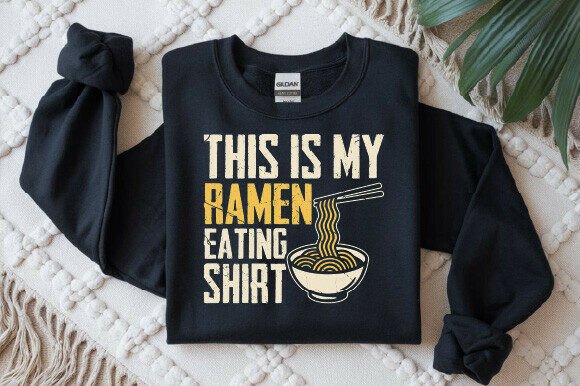
There’s a specific, universally understood comfort in the image of a steaming bowl of noodles. It’s a visual shorthand for warmth, satisfaction, and a moment of simple pleasure. Capturing that feeling in a design is no small feat, but the “This is My Ramen Eating Shirt” graphic does it with effortless retro charm. This isn’t just another clipart bowl of soup; it’s a personality piece. The stylized steam, the playful chopsticks, and the cozy aesthetic create an immediate connection with anyone who has ever sought solace in a good meal. For designers and creators, this asset is less about the literal message and more about tapping into a specific, relatable vibe that resonates deeply with foodies, pop culture enthusiasts, and a wide demographic that values authentic, fun expression.
More Than a T-Shirt: A Versatile Brand Asset
While the product description highlights its use on apparel, the true value of a well-crafted design like this lies in its adaptability. Think beyond the cotton tee. This design is a complete branding toolkit for niche markets. Imagine it as the cornerstone of a food blog’s visual identity, appearing on the header, social media templates, and even merchandise for loyal readers. For a small ramen shop or a food truck, it could evolve into a logo, a sticker for takeaway containers, or a bold graphic for a menu. Its retro style lends itself perfectly to packaging design for artisanal goods, like a craft noodle brand or a spicy chili oil, immediately conveying a sense of authenticity and handmade quality. The vector-based nature of the file means it scales cleanly from a tiny favicon to a large-format poster without losing a pixel of its crisp, intentional lines.
Practical Applications for Creators and Sellers
For the print-on-demand entrepreneur or the Etsy shop owner, this design is a ready-made product. Its instant download and commercial use license mean you can have a new listing live within minutes. But let’s get specific about execution. The transparent PNG is a lifesaver for mockups, allowing you to showcase the design on any color background or product. The included EPS and AI source files are where the real power lies for serious customization. Need to adjust the color palette to match a client’s brand guide? Easy. Want to isolate just the bowl and steam for a different layout? You have full control. Consider these practical deployments:
- Social Media Campaigns: Use the graphic as a standalone post, integrate it into Instagram Story templates for a foodie influencer, or create engaging Pinterest pins for recipe blogs.
- Digital Products: Incorporate the design into printable wall art for a kitchen or dining room, use it on digital planners for meal prep, or feature it on greeting cards for friends who love food.
- Event Branding: It’s perfect for invitations to a ramen-tasting party, flyers for a college food fair, or even the branding for a virtual cooking class.
- Editorial Layouts: Food magazines and online publications can use such graphics as spot illustrations to break up text and add visual interest to articles about Asian cuisine, comfort food, or student life.
Design Integrity and File Quality
A design is only as good as its technical execution. This asset is built with professional standards in mind. The 100% vector shapes are the gold standard, ensuring the design remains sharp whether it’s printed on a business card or stretched across a banner. The 300 DPI PNG guarantees high-quality output for digital and print projects alike, avoiding the blurry or pixelated results that plague lower-resolution files. The color-changeable nature is a critical feature for maintaining visual consistency across different applications. You can easily adapt the design’s color scheme to fit a dark mode website, a pastel-themed product line, or a high-contrast marketing graphic without compromising the integrity of the original artwork. This flexibility is what transforms a single graphic into a multi-purpose brand asset.
Aligning the Asset with Your Project Goals
Choosing to use a pre-made design requires a strategic mindset. It’s not about finding a one-size-fits-all solution, but about selecting an asset that amplifies your project’s voice. Ask yourself: does this retro, playful style align with my brand’s personality? Is the subject matter—the love of ramen—relevant to my target audience? For a tech startup, it might not be the right fit. But for a meal kit service targeting young adults, a university’s Asian student association, or a comic artist who incorporates food themes into their work, it’s a perfect match. The design’s strength is its specificity. It doesn’t try to be everything to everyone; it speaks directly and authentically to a community, which is the foundation of strong brand recognition and audience engagement.
Ultimately, the “This is My Ramen Eating Shirt” design is a masterclass in niche appeal. It’s a reminder that the most effective design assets often come from understanding a specific human experience—in this case, the joy of a comforting meal—and expressing it with visual clarity and style. For the creative professional, it’s a ready-to-deploy tool that saves time while offering the flexibility for genuine customization, helping bridge the gap between a generic template and a truly personalized piece of visual communication.